Yasmeen Akbar (she/her)
What I wish I knew about civic engagement sooner
I remember being excited to vote for the first time.
It was the 2020 presidential election, and casting my first ballot felt bigger than just checking a box. I thought about my ancestors and the sacrifices they and so many others made so I could stand in a voting booth and exercise a right not afforded to many.
As a Black girl growing up in the Bay Area, I knew voting mattered. So when the first time I was eligible to cast my vote came around in 2019, I was ready. I knew my vote was about more than checking a box – for me, it was also about honoring history. I thought about my ancestors and the sacrifices they and so many others made so I could stand in the voting booth and exercise a denied to so many. But, some of my friends didn’t feel the same way. They just weren’t feeling it. I heard variations of, “My vote doesn’t really matter, so I’m not wasting my time,” or “I don’t need to vote, y’all got it!”
At the time, I knew I disagreed with them, but I couldn’t explain how civic engagement was bigger than a single election or that their participation could make a difference beyond voting for a candidate. I certainly didn’t know how to turn my excitement into something that could inspire someone else.
Looking back, I wish I had.
Not because my hometown lacked people who cared. Quite the opposite. The Bay, is an incredibly diverse, politically active home to communities with long histories of organizing and advocacy, like the Black Panthers. But growing up there also taught me how easy it can be to live inside a bubble.
When you’re surrounded by diversity and progressive ideas, it’s easy to assume progress is happening everywhere. The issues that feel obvious to you may not feel urgent to someone else. You can believe that because your community generally shares certain values, there is no need to keep showing up.
And it wasn’t until I moved to Atlanta that my understanding of civic engagement began shifting in major ways. .
Before moving to Georgia, I thought of civic engagement largely through the lens of voting. What I didn’t fully understand was everything that happens between elections.
Civic engagement names the ways people participate in their communities and influence the conditions, decisions and issues that affect their lives. Voting is a form of civic engagement, but it’s not the only one.
Civic engagement can also look like volunteering with a local organization, attending a city council meeting, organizing around issues that matter to you, mentoring a community member, helping a neighbor access resources or creating an organization that gives people the information they need.
Once I had a more expansive understanding of, civic engagement, the practice became much more tangible. Instead of asking, “Did you vote?” I started asking a larger question: How are you showing up for your community?
Atlanta showed me what that can look like in practice.
Living here, I have watched people turn concerns into action. I saw volunteerism become a way of building community rather than simply fulfilling an obligation. I saw people attend city council meetings because decisions being made in those rooms had real consequences for their neighborhoods. I saw friends and community members develop organizations, clubs and initiatives designed to inform people, connect them with resources and inspire them to get involved.
The difference was not that people in Atlanta cared more than those in the Bay Area. It was that their material conditions and the systemic struggles they faced called for them to be more deeply engaged with their communities.
And I realized that sometimes the most powerful way to get someone involved is to help them see how their participation can produce tangible results.
Tufts CIRCLE, a non-partisan, independent research organization, reported that “[h]alf of young people are not spending time with others in person, and those youth are less likely to vote and participate in civic life,” adding that Asian, Black, and Latino youth were even less likely to spend in-person time with their communities.
Community connection and civic participation are deeply connected.
If I could, I would advise my younger self to encourage others to act and challenge the idea that one vote is meaningless. At the same time, I would also acknowledge where my peers’ feeling of disillusionment came from. I’d approach people from a place of curiosity, asking what issues they’re genuinely passionate about and help them explore ways to get involved beyond the booth.
While I still believe deeply in the power of voting and find it meaningful to exercise a right that generations before us fought so hard to secure, I now understand that history instructs us that civic engagement is about much more than the ballot. It means staying engaged when there isn’t an election on the calendar. It means caring about what happens in your community and helping other people find their place in it, too.
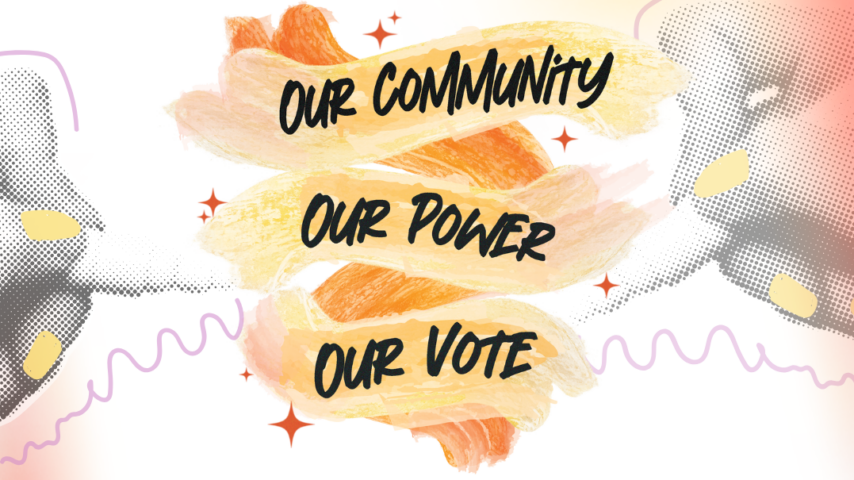
Our community is our power. Our vote is one way we use it. And civic engagement is how we keep that power moving.