2026 Young People’s Reproductive Justice Policy Agenda
About URGE
Young people today—a majority of whom are Black, Indigenous, Asian American, Native Hawaiian, Pacific Islander, or Latinx/a—are on the frontlines of the fight for Reproductive Justice: organizing, educating, shifting culture, and building power with URGE.
URGE envisions a liberated world where we can live with justice, love freely, express our gender and sexuality, and define and create families of our choosing.
As a state-driven national organization, URGE builds power and sustains a young people’s movement for Reproductive Justice by centering the leadership of young people 18-30 years old who are Black, Indigenous, and other people of color, women, queer, trans, nonbinary, and people working to make ends meet.
URGE focuses on policy advocacy, organizing, and voter engagement in states where the challenges and opportunities are greatest, with deep investment in: Alabama, California, Georgia, Kansas, Ohio, and Texas.
From increasing youth voter engagement to engaging young people in policy advocacy, from organizing to shifting culture in our communities and online, URGE has cemented our reputation as innovative, impactful, and fearless in our fight for reproductive justice.
Table of Contents
- Letter from the CEO
- Introduction
- Issue 1: accessing Abortion Without Barriers
- Issue 2: Supporting Trans, Intersex, and Queer Young People
- Issue 3: Realizing the Potential of Our Democracy
- Issue 4: Accessing Healthcare and Comprehensive Sex Education
- Issue 5: Transforming Our Economy so Young People Can Thrive
- Issue 6: Creating Safe and Healthy Communities
- Conclusion
- Acknowledgements
- Endnotes
Letter from Kimberly Inez McGuire, CEO
Across the country, young people are navigating a political landscape marked by deep instability and rising authoritarianism. Increasingly, political leaders are enforcing rigid, traditional gender roles through abortion bans, attacks on LGBTQIA+ rights, censorship, and the erosion of democratic freedoms—all of which seek to restrict the bodily autonomy and self-determination of women, girls, and nonbinary people. But this patriarchal control does not remain confined to policy alone. Rising rates of femicide and intimate partner violence reveal how these political attacks reverberate culturally and interpersonally, fueling broader systems of gender-based violence that punish those who transgress patriarchal norms.
Critically, the same political forces working to ban abortion, criminalize pregnancy outcomes, target trans people, and police immigrant communities are also fueling a culture where the safety, humanity, and self-determination of women, queer people, and gender-expansive people are increasingly under threat.
URGE created this most recent iteration of the Young People’s Policy Agenda, which we reintroduce here, with the understanding that our insistence on naming how these fights are interconnected are not rooted in identitarianism, but in material reality. The communities most frequently dismissed, targeted, or politicized within public discourse are not passive observers of this political moment. They are among those most impacted by rising authoritarianism and among those most committed to resisting it.
“trust young people and invest in their leadership“
Across the South, Midwest and California, young people are coming up against coordinated efforts to restrict voting rights and by extension, consolidate the political power necessary to ban abortion, surveil immigrant communities and censor education. In 2025 alone, 17 states enacted 32 restrictive voting laws, while hundreds more restrictive bills were introduced nationwide. Trust in the federal government among young Americans has fallen to historic lows, with many young people—particularly Black and Latinx/a youth—expressing declining confidence that democratic institutions are meeting the needs of their communities.
At the same time, abortion bans and restrictions continue to devastate communities across the country. As of 2025, more than 62 million women, girls, and nonbinary people live in states with abortion bans, with Black communities and Southerners disproportionately impacted. Young people are being forced to travel hundreds or even thousands of miles for care, delay critical medical treatment, or navigate the threat of criminalization simply for making decisions about their own bodies. In the wake of the Dobbs decision, prosecutors initiated hundreds of cases against pregnant people related to pregnancy outcomes. Meanwhile, clinicians in many states face prison sentences—and in some cases potential life sentences—for providing care, creating a state of legal ambiguity that led to the preventable deaths of women like Amber Nicole Thurman, Candi Miller, Adriana Smith in Georgia and Tierra Walker, Neveah Crain, Josseli Barnica and Porsha Ngumenzi in Texas.
But these attacks do not stop at abortion access. The criminalization of reproductive health is increasingly shaping pregnancy care, maternal health outcomes, and immigrant communities’ ability to safely access essential services. Medical providers report delays in emergency treatment because of fear and the legal ambiguity created by abortion bans. Black mothers in states with bans face dramatically higher maternal mortality rates. Immigrant communities continue to experience heightened surveillance, racial profiling, detention, and fear-driven avoidance of health care, food assistance, and housing support. Immigration arrests have surged to historic highs, while young people in immigrant families are increasingly carrying the emotional burden of uncertainty and fear within their communities.
These conditions are compounded by the economic precarity that continues to define daily life for millions of young people. According to a 2022 analysis of Census Bureau data, 58.6% of Gen Z renters between the ages of 18 and 25 are rent-burdened, spending more than 30% of their income on housing. At the same time, food insecurity impacts between 32 – 42% of college and university students nationwide. Many young people are forced to navigate these conditions while also carrying significant student loan debt, with adults ages 18 to 29 holding an average debt burden of $33,260 according to the Education Data Initiative.
Despite attempts to undermine young people as significant political players, young people are not responding to this moment with silence or resignation. Recognizing that there is not a single policy solution that can address the overlapping crises looming over them, young people are organizing mutual aid networks, building political education spaces, and creating alternative family structures to step up where the State fails. Young people understand what so many policymakers fail to grasp—that Reproductive Justice has never been solely about abortion access. In truth, it is about the right to live safely, parent with dignity, access healthcare, express our genders and sexualities freely, participate in democracy and build safe and sustainable futures.
Simultaneously, young people are also engaging in traditional electoral politics by mobilizing voters, and demanding policies rooted in liberation, acutely aware that policy plays a critical role in determining the condition we live under. Policy shapes access to care, housing, education, wages, safety, mobility, and democracy itself. To fight for Reproductive Justice means fighting for all of these things together.
The issues outlined in this agenda are deeply interconnected because our lives are interconnected. Reproductive Justice has always demanded more than legal rights alone—it demands the social, political, and economic conditions necessary for people to live with dignity and self-determination.
This policy agenda is both a warning and an invitation—a warning about the consequences of allowing authoritarianism to remain unchecked and an invitation to policymakers, educators, and movement leaders to trust young people and invest in their leadership.
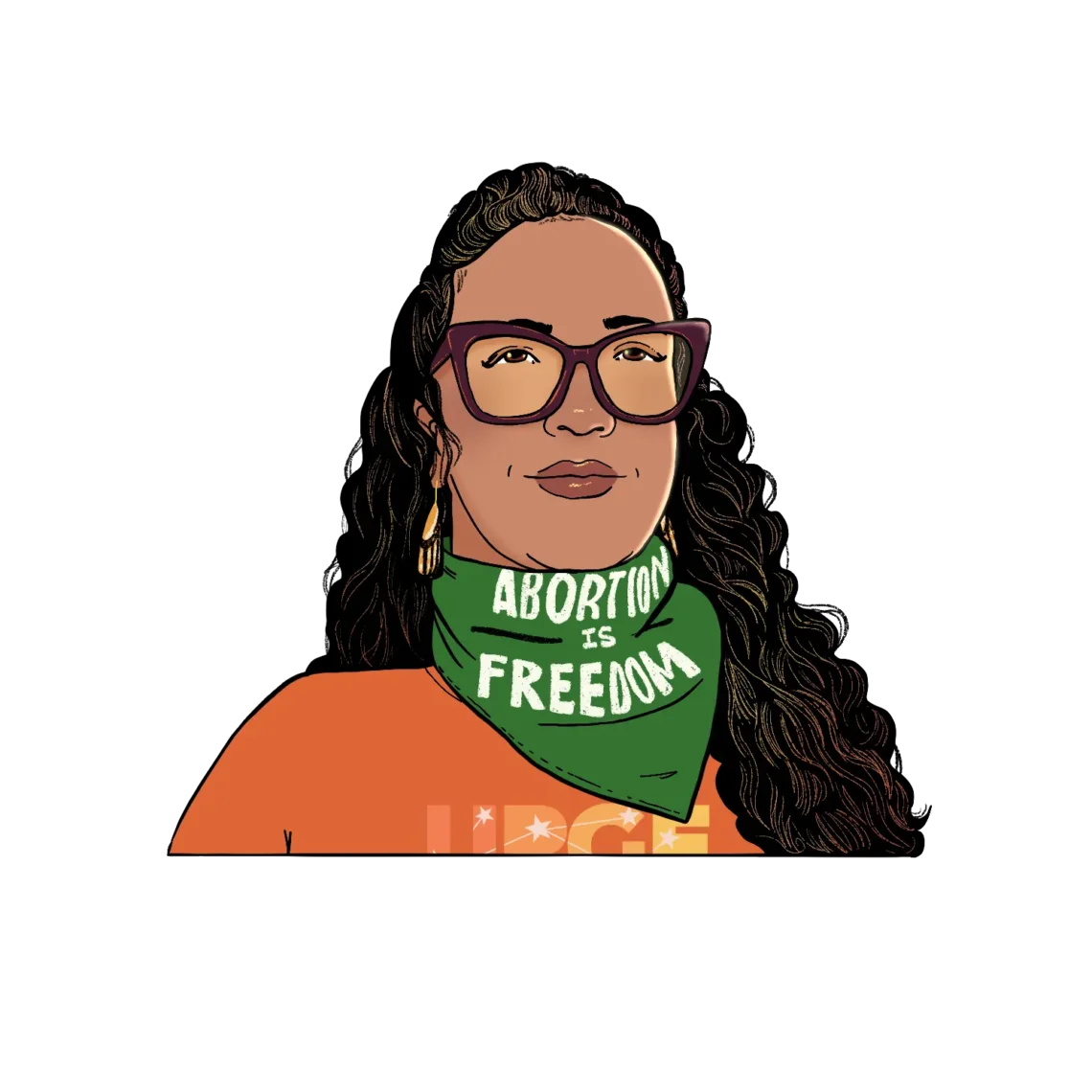
In solidarity, Kimberly Inez McGuire

Introduction
Young people have always been a force to be reckoned with. We know what is needed for our liberation, and we have the vision to shape our collective futures. From voter engagement to student activism, civic education, protest movements, grassroots organizing, and influential social media strategies, young people—in particular those who are Black, Indigenous, Latinx/a, Asian and Pacific Islander folks; lesbian, gay, bisexual, trans, queer, intersex folks; immigrants; low-income; and others targeted by systems of oppression—are on the front lines.
Young people want to THRIVE.
But right now, that is not guaranteed, and the future feels grim.
Trust in the federal government has fallen to 15% among young Americansi — the lowest level ever recorded. Nearly a third of Gen Z lack confidence that today’s democracy is functioning or meeting the country’s needs. Seventeen percent of Black and 12% of Latinx/a young people say they trust no institutions at all.ii Dominant political discourse erroneously frames this as apathy, but what young people are really experiencing is disempowerment, disfranchisement and disillusionment.
We are living through the rise of authoritarianism. And it is an existential threat to those most on the margins who URGE serves and organizes. The Young People’s Reproductive Justice Policy Agenda (YPPA) prioritizes these communities; communities historically subjected to extremist attacks that aim to silence their voice.
Since we released URGE’s first YPPA in 2020,iii and subsequently updated it in 2024, the social, political and economic landscape has shifted dramatically— and not in our favor.
The issues URGE highlights in the YPPA, including abortion access, LGBTQ+ liberation, gender-based violence, etc.iv are under coordinated, sustained attack. Indeed, since 2024:
17 states enacted 32 restrictive voting laws in 2025 alone.v For the first time in recent cycles, restrictive voting laws outpaced expansive ones nationally. 486 restrictive bills were introduced across 31 states.vi Most recently, we saw the gutting of Section 2 of the Voting Rights Act by the U.S. Supreme Court vii and conservative states are now actively in pursuit of the total destruction of the hard-earned rights for Black voters and other historically marginalized populations. Anti-democratic politicians know that when communities have real electoral representation, their grip on power is threatened—so they are furiously working to box us out.
Roughly 62.7 million women, girls, and nonbinary people now live under state abortion bans.viii More than half of Black women of reproductive age live in states that have banned or are likely to ban abortion—most in the South, where the nearest clinic can be three states away.ix No one should be forced to remain pregnant simply because they cannot afford to travel.
Immigration arrests more than quadrupled in 2025.xii As of January 2026, approximately 73,000 people are being held in ICE detention—a record high in U.S. history—and 92% of that increase is driven by people with no criminal record.xiii Fear is being used as a weapon against our communities.
Mothers in states with abortion-bans are nearly twice as likely to die during pregnancy or childbirth compared to those in states where abortion is legal and accessible.x Maternal mortality rose 56% in Texas in the first full year of its total ban. Black mothers in banned states are 3.3 times as likely to die as white mothers in those same states.xi These are not statistics. These are real people—our people.
More than half of Gen Z and millennials are living paycheck to paycheck.xiv Nearly 59% of young renters spend more than 30% of their income on housing.xv We are being priced out of stability, out of futures, out of the ability to build the lives and families we deserve.
These crises are not isolated. Abortion bans and immigration enforcement compound one another. Economic precarity and voter suppression reinforce each other. The same politicians and systems that restrict access to the ballot also restrict access to healthcare, housing, to the freedom to move through the world safely and with dignity. And it is always, always, Black, Indigenous, Latinx/a, immigrant, low-income, and LGBTQIA+ young people who are hit hardest.
The Reproductive Justice framework instructs us as we connect these seemingly disparate issues, linked through its three tenets: the belief that we all have the human right to have children, to not have children, and to nurture the children we have in a safe and healthy environment. And we will not be deterred.
The 2026 Young People’s Reproductive Justice Policy Agenda builds on the work of 2020 and 2024, shaped by and for young people across the states where URGE organizes. The issues outlined hereafter are by no means an exhaustive list. There is no single document that could hold everything young people are fighting for. But it is a blueprint. It is a starting point for policymakers who are serious about joining us in building something better.
This is the future. And we are fighting for it; we are building it, and we are investing in the power of community care to get there.
ISSUE 1:
Accessing Abortion without Barriers
Every one of us should have the right, resources, and support to decide whether and when to become parents, and that includes safe and accessible abortion care. But decades of restrictive laws enacted at the state and federal levels, along with the fall of Roe, have resulted in inequitable access, particularly for the communities we serve.
Despite this reality, the majority of Americans believe abortion should be legal and available in our communities without barriers or stigma,xvi and 90% of young adults (18-30 years old) do not want to see the right to abortion threatened.xvii To bring us closer to young people’s liberation, we need policies that ensure anyone who needs an abortion can get one safely, affordably, and without stigma or criminalization.
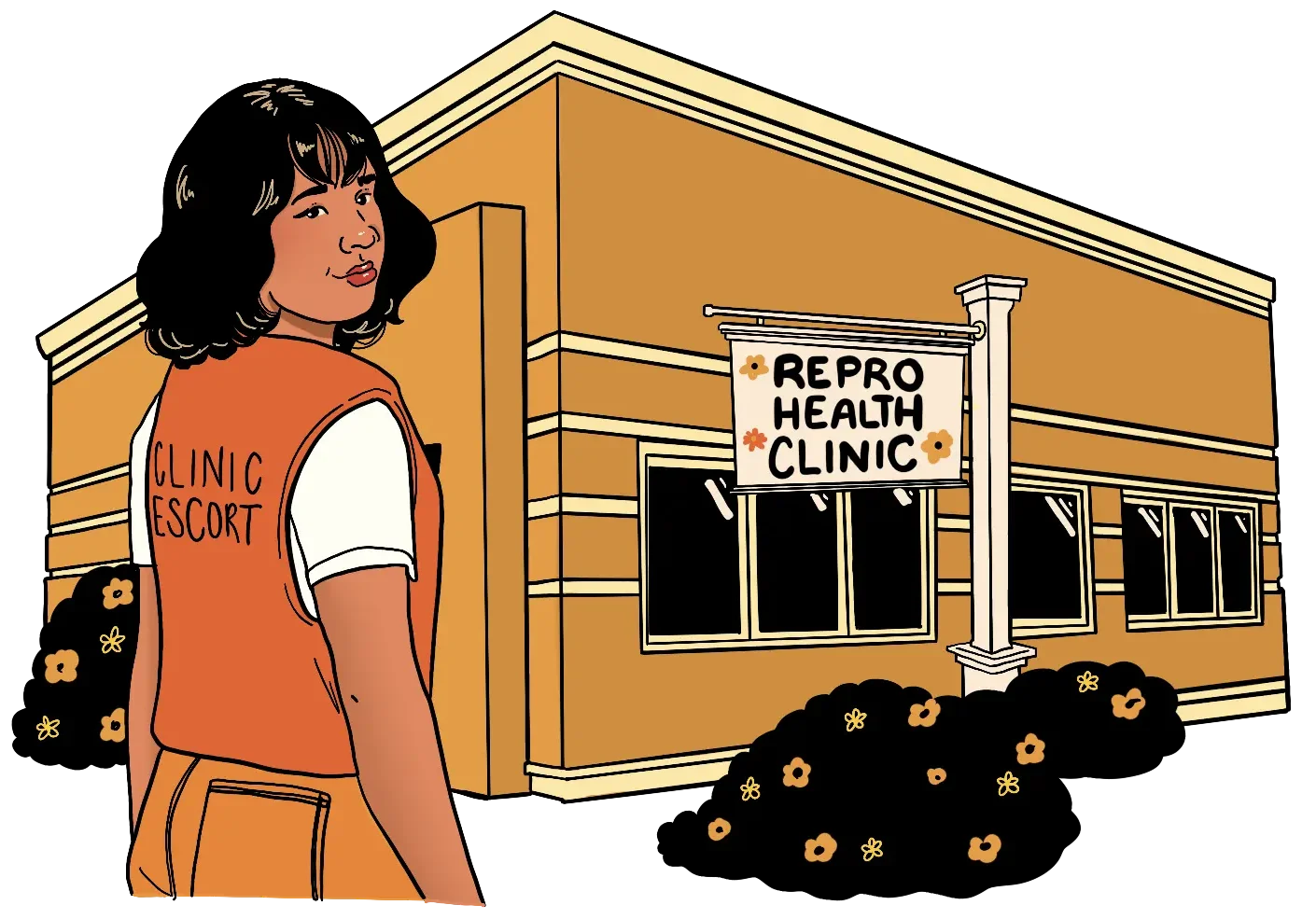
Expand Health Coverage for Abortion Care
Lack of insurance coverage for abortion can be the difference between someone getting the care they need or having it denied altogether. Restricting insurance coverage of abortion denies people the ability to make decisions about their health and future.
Policy Recommendation
Ensure all public and private insurance plans, including Medicaid, cover abortion care without cost-sharing.

Increase Real Access to Abortion
Abortion is severely restricted throughout many areas of the country due to medically unnecessary abortion restrictions, like arbitrary gestational bans, many of which criminalize providers and create legally opaque conditions for reproductive healthcare. These bans disproportionately impact Indigenous communities, people of color, people who live in rural areas, people with low-incomes, LGBTQIA+ people, and immigrants.

Policy Recommendation
Ensure access to abortion care in our communities without delays or barriers.
Ensure abortion providers offering services in “healthcare deserts” are met with support—not criminalization.

End Criminalization of Abortion and Abortion Care
With the overturning of the Roe v. Wade Supreme Court decision, pregnant people have been under intense scrutiny, surveillance and criminalization. Each of us should have the right to access abortion care without government interference.

Policy Recommendation
Ensure the right to abortion, so no one is investigated, arrested, or prosecuted for their reproductive health outcomes.
Support Young People’s Autonomy and Right to Self-Determination
Young people are fully capable of making decisions about their bodies. And yet, parental involvement laws, requiring a young person to notify or obtain consent from their parents before they can receive abortion care, often delay or prevent young people from accessing care, putting their health and safety at risk. Studies indicate that the majority of young people involve their parents when making decisions about their health, including abortion, but we know that’s not always possible.

Policy Recommendation
Ensure medication abortion care is available and accessible for anyone who needs it.
Ensure Access to Accurate Information About Abortion
Anti-abortion “crisis pregnancy centers,” which often receive public funding, use deceptive practices to shame, delay, and prevent people from accessing abortion care.
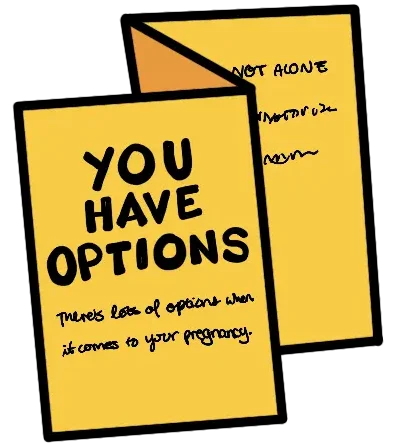
Policy Recommendation
regulated and often nonmedical facilities.
Fund and ensure access to comprehensive, medically accurate, culturally competent, and language-accessible information about sexual and reproductive health care so people can make informed decisions that are best for them and their families.
ISSUE 2:
Supporting Trans, Intersex, and Queer Young People
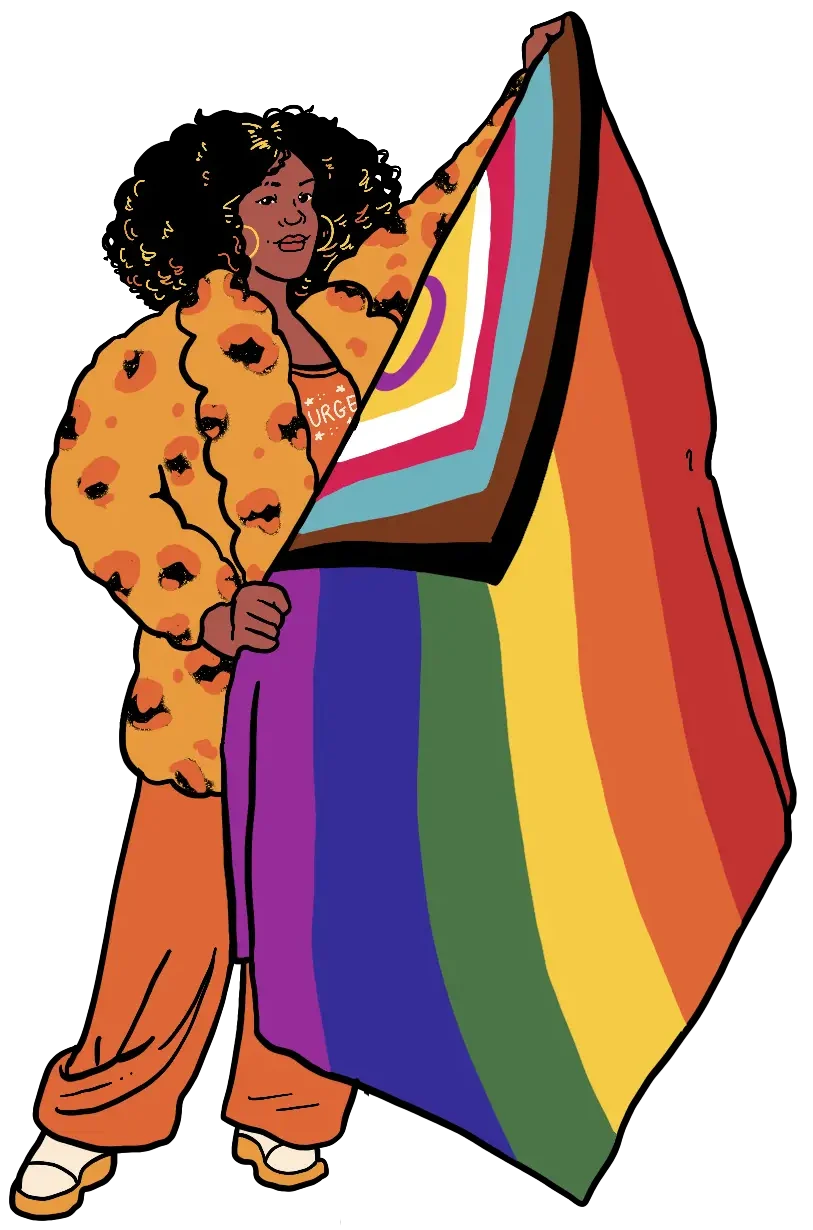
Lawmakers across the country are introducing and passing legislation aimed at denying queer and trans young people access to healthcare, dignity and the ability to fully participate in public life.xviii, xix These harmful policies are crafted with the goal of alienating these young people and obliterating their systems of support. Healthcare providers, parents, teachers and other trusted adults are being criminalized, facing the threat of losing their licenses, jobs, or custody rights for recognizing and affirming queer and trans young people. These attacks, coupled with transphobic and anti-queer rhetoric, create a hostile and unsafe environment that also infringes on young people’s autonomy and privacy.
However, young people ages 18-30 largely believe that politicians should not focus on these issues, and rather, shift their focus to protecting the rights of trans people. xx It’s critical that lawmakers repeal laws that only serve to discriminate and stigmatize, and enact evidence-based policies that support and prioritize the health, safety, and needs of transgender, intersex, and queer young people. This type of approach is rooted in science and has the support of major medical organizations like the American Medical Association (AMA), the American Academy of Pediatrics (AAP), and the American Academy of Family Physicians (AAFP).
Access to Gender-Affirming Care
Everyone deserves access to quality and affordable medical care, no matter their gender identity or sexual orientation. Policies that prohibit access to gender-affirming care for young people and impose penalties on healthcare professionals who provide it go against extensive scientific research and put patients’ health and wellbeing at risk. Intersex folks still undergo non-consensual surgeries and other invasive medical treatments.
LGBTQIA+ people face discrimination, stigma, lack of insurance coverage, and other systemic barriers when trying to access the care they need to lead healthy lives. Gender-affirming care practices continue to close due to fears of encroaching anti-trans healthcare laws and pressure by state lawmakers on facilities that receive state funding, creating a public health crisis for trans and non-binary people in many states.
Policy Recommendation
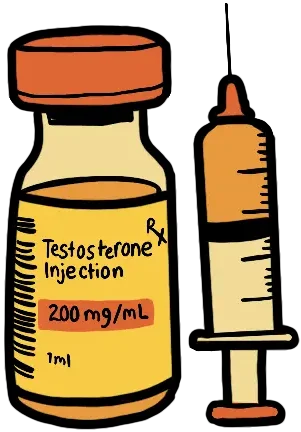
Ensure access to safe and essential gender-affirming care, such as hormone therapy and transition-related care.
Ensure young people’s bodily autonomy and self-deter
Gender Markers & LGBTQIA+ Inclusive Forms
Having legal identity documents that accurately reflect one’s name and gender identity is essential to one’s ability to obtain healthcare, employment, and housing, travel freely, and access public programs and spaces. This is especially true for transgender individuals who are facing increasing discrimination, harassment, and attacks. Inclusive forms are also essential to research and funding to support LGBTQIA+ people.

Policy Recommendation
Ensure the full range of gender identities are recognized and remove burdensome requirements so that all people can obtain the identity documents they need to move through the world with respect and dignity.
Ensure all forms gathering demographic information are LGBTQIA+ inclusive.
Support LGBTQIA+ Young People’s Participation in Sports
Studies show that youth who participate in organized sports gain more than just physical benefits; they also have lower rates of anxiety and depression, higher self-esteem and confidence, and higher levels of academic achievement. xxi But racism, sexism, homophobia, transphobia in organized sports has meant sports, including youth sports, haven’t always been welcoming and inclusive. Anti-LGBTQIA+ politicians pushing legislation aimed at prohibiting trans young people from participating in organized sports are relying on harmful and false tropes to exclude them simply because of who they are.

Policy Recommendation
Repeal dangerous policies and barriers to ensure that all LGBTQIA+ youth can fully participate in sports.
ISSUE 3:
Realizing the Potential of Our Democracy
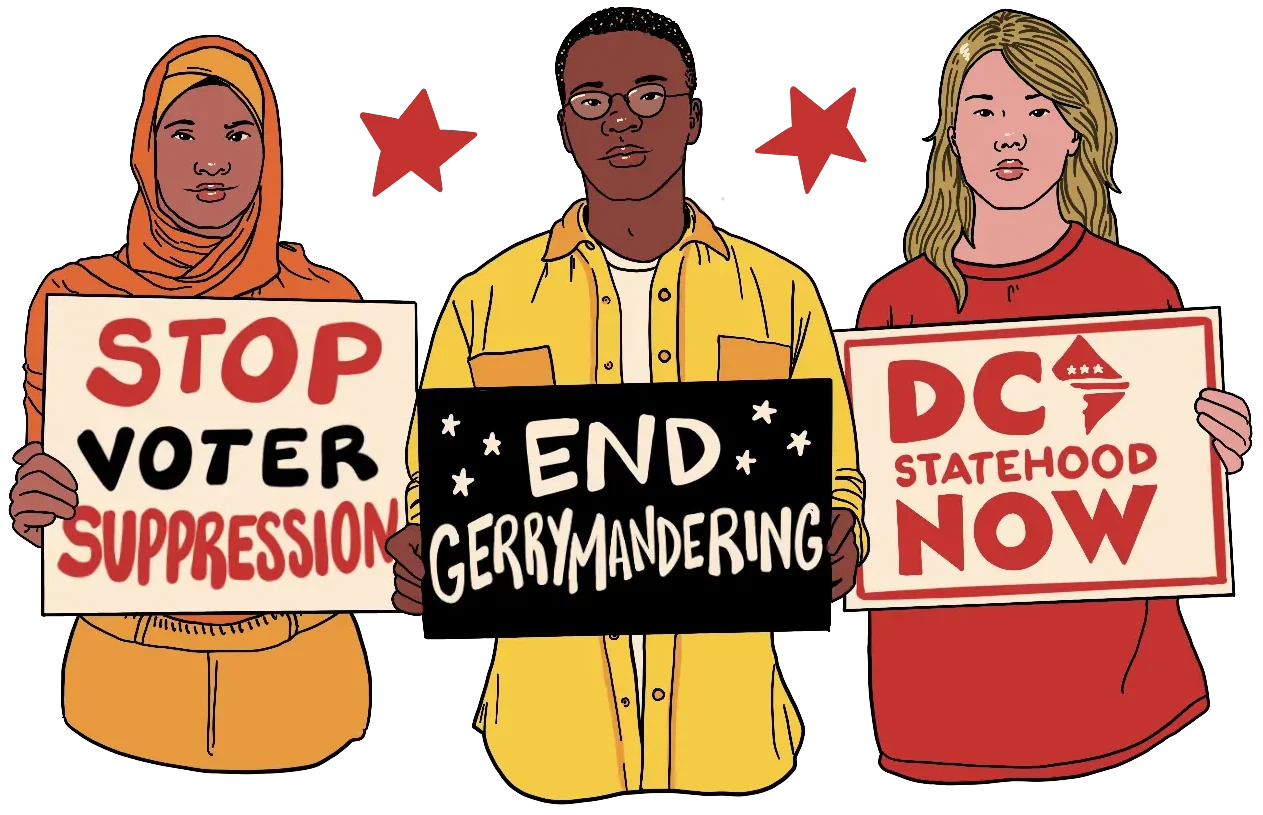
The right to vote—and make our voices heard—is the cornerstone of our democracy. Yet millions of Americans have never been able to fully exercise their right to vote because of decades of deliberate voter suppression and disenfranchisement laws that target historically marginalized communities, including Black, Indigenous, and other young people of color. Our ability to vote and to have our votes count is even more important today as the integrity of elections is under attack. We cannot be a truly free society until everyone can meaningfully participate in the democratic process.
Make it Easier to Vote
Voting should be accessible to everyone who wants to participate. Outdated and burdensome voting registration requirements and systems create obstacles that prevent people from voting.

Policy Recommendation
Enact policies that support automatic voter registration, voting by mail, expanded early voting periods, and additional polling locations to make it easier for people to vote and have their voices heard.
End Voter Suppression Measures
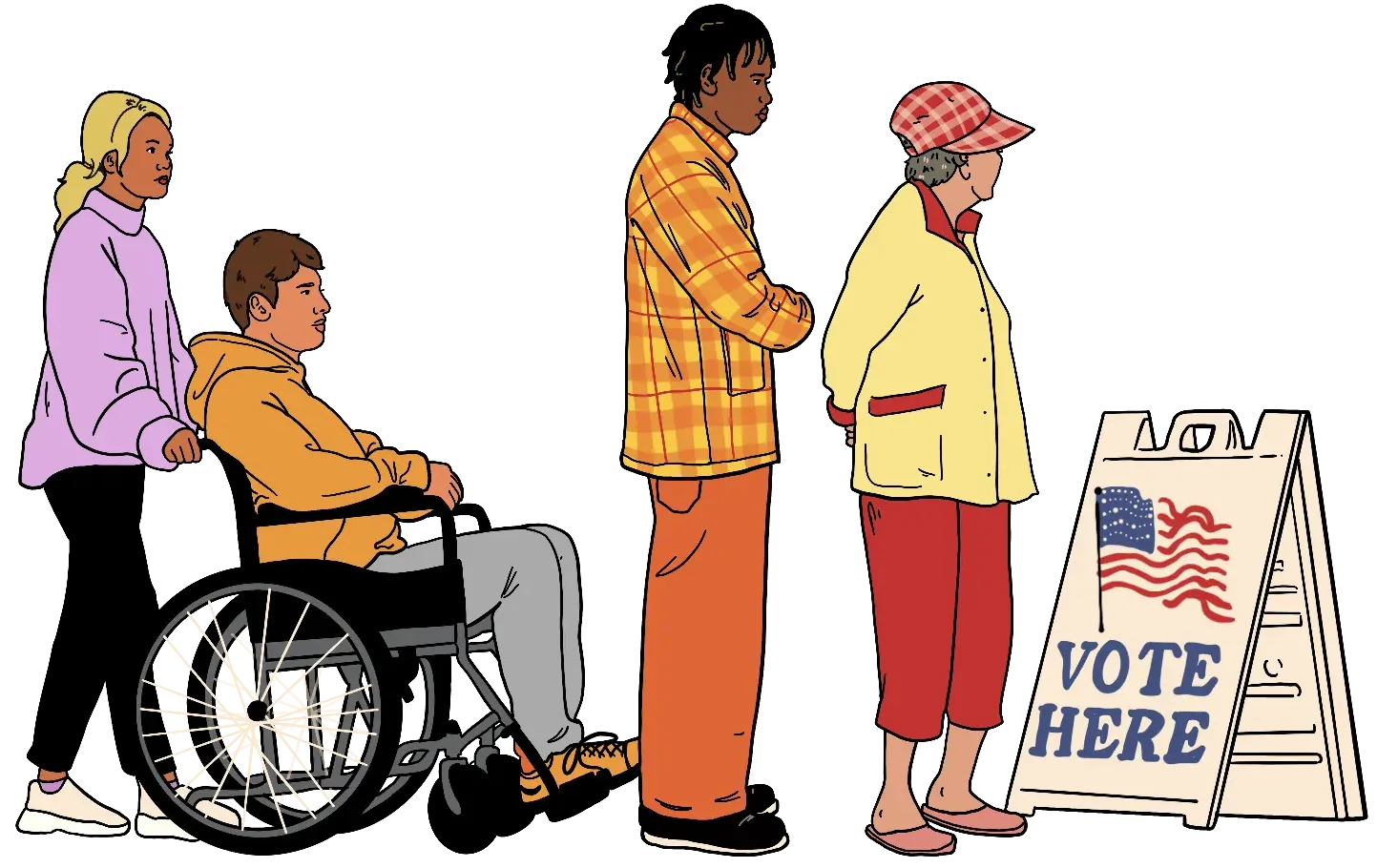
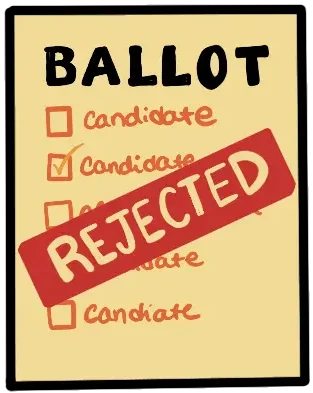
In the last twenty years, numerous states have enacted arbitrary requirements and severe penalties that not only make it difficult for people to vote but also criminalize and create a chilling effect among communities of color. Onerous voter ID laws, restrictions on voter registration, prohibiting the distribution of food or water to voters waiting in line at polling places, criminalizing innocent mistakes made while voting, and felony disenfranchisement laws are examples of policies aimed at preventing people from participating in our democracy.
Policy Recommendation
Repeal voting policies that disproportionately impact people of color and young people.
Disrupt and Dismantle Undemocratic Institutions
For too long, archaic tools and rules like the filibuster, electoral college, gerrymandering, and an illegitimate court have allowed minority rule to prevail over the will of the people, undermining our democratic process.

Policy Recommendation
Reform institutions and systems to ensure the guardrails of democracy are strengthened, can function to include the voice of those historically excluded and disproportionately prevented from participating in our democracy; this includes addressing Jim Crow-era practices that undermine popular will and stall progress.
ISSUE 4:
Access to Healthcare and Comprehensive Sex Education
Every young person should have access to affordable, quality healthcare and comprehensive LGBTQIA+ inclusive sexual and reproductive health information and services in their communities. Unfortunately, discriminatory policies and lack of sufficient funding mean young people are denied the rights, resources, and respect needed to live and make informed and independent decisions about their sexual and reproductive lives. To ensure dignity, autonomy, and wellbeing, we need policies that guarantee young people equitable access to healthcare, expand health services in marginalized communities, and provide comprehensive sexual and reproductive health education and services for all young people.
Provide Universal and Free Healthcare That Offers Full Coverage
Every person should be able to get the care they need to lead healthy lives no matter how much money they earn, where they live, or what insurance they have. Our current healthcare system, however, prioritizes profits, leaving many without affordable or meaningful insurance coverage to essential services like HIV/AIDS prevention and treatment, contraception, mental health care, the full range of pregnancy and postpartum care, and gender-affirming care.

Policy Recommendation
Fund and ensure access to universal and free health care, so no one is denied the healthcare they need because of their inability to pay.

Fund Programs that Support Equitable Health and Wellbeing
While we’ve made great strides in medicine, women, people of color, LGBTQIA+ individuals and other marginalized communities continue to be disproportionately impacted by health conditions like HIV and AIDS, maternal mortality, and addiction.

Policy Recommendation
Provide dedicated funding that centers the unique needs and experiences of under-resourced communities and ensures they are no longer left out of the policy and research.

Expand Access to Contraceptive Care
When someone is seeking contraceptive care, they should have easy access to the full range of services along with accurate information and counseling from a nearby trained provider. But lack of awareness, prohibitive costs, a shortage of trained providers, and reproductive coercion make it difficult for people to obtain contraception care. This disproportionately impacts people of color, migrants, and Indigenous people on reservations.

Policy Recommendation
Ensure contraceptive care is available and affordable in our communities.
Ensure Health Equity for Immigrants
Every person should have the health coverage and resources they need to lead healthy lives no matter who they are or where they’re from. Discriminatory policies deny immigrants access to public programs or impose delays that inhibit their ability to access healthcare.

Policy Recommendation
Provide dedicated funding that centers the unique needs and experiences of under-resourced communities and ensures they are no longer left out of the policy and research.
Support Comprehensive, Medically Accurate, LGBTQIA+ Inclusive Sexuality Education Programs
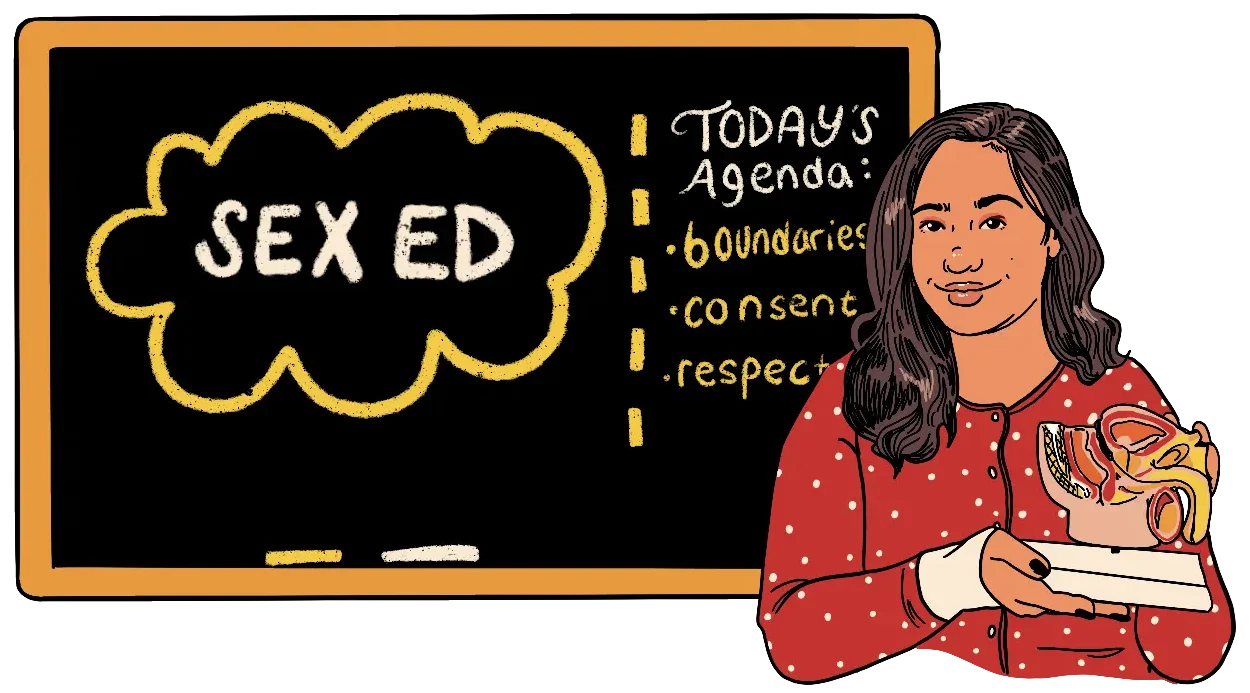
A vital element of health and wellness for young people includes medically accurate and age-appropriate material that includes information about abstinence, as well as condoms and contraception, to reduce the risk of unintended pregnancy and transmission of sexually transmitted infections (STIs), including HIV. Comprehensive sex ed also incorporates interpersonal and communication skills and helps young people explore their own values, goals, and options, and is inclusive to LGBTQIA+ individuals.

Policy Recommendation
Fund and ensure access to comprehensive sex education for all.

Achieve Mentrual Equity
People who menstruate need access to affordable and toxin-free menstrual products so they can fully and equally participate in school, work, and society. However, policies that tax essential menstrual products as “luxury items” make it financially challenging for young people to access products to manage their periods.

Policy Recommendation
Remove the tax on menstrual products and make them free to people who need them.
End Shackling of Pregnant Incarcerated People
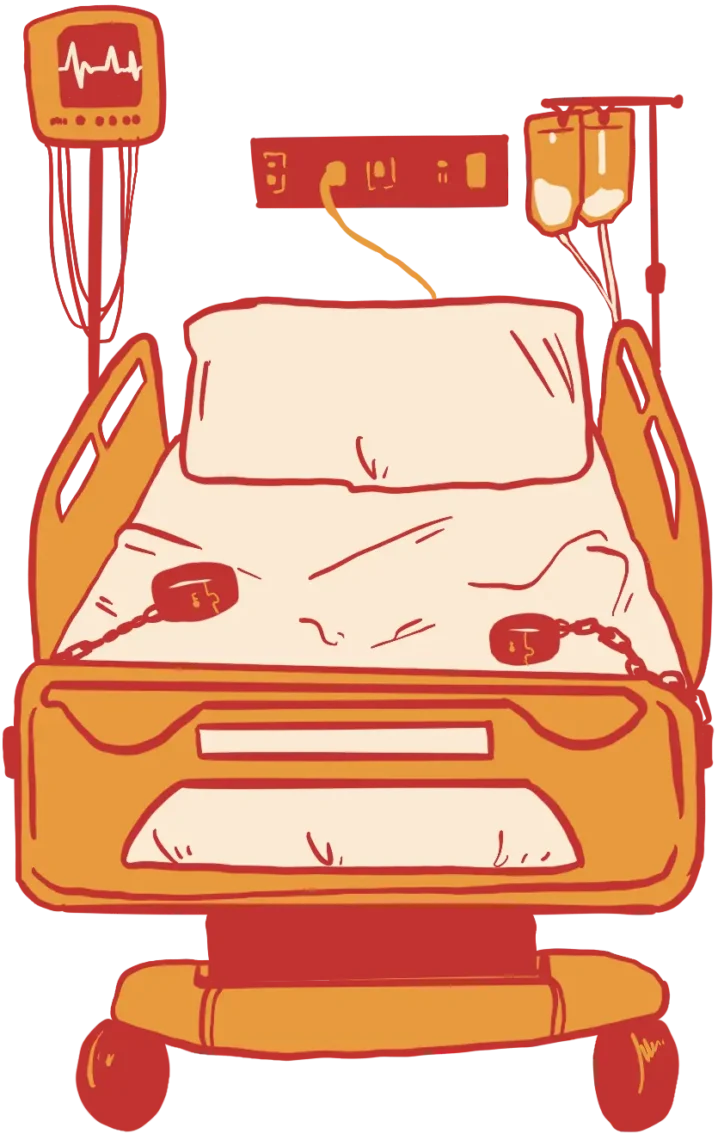
The use of shackling on incarcerated people during pregnancy, labor and delivery, transportation, and postpartum recovery is an unconscionable practice and clear human rights violation. Leading experts including the American Congress of Obstetricians and Gynecologists (ACOG), American Medical Association (AMA), and American Public Health Association oppose shackling as it interferes with the ability of clinicians to safely practice medicine, violates professional principles of justice and ethics, and puts the health of the pregnant person and fetus at risk.

Policy Recommendation
Prohibit the practice of shackling incarcerated individuals.
Ensure incarcerated individuals have access to the full range of reproductive healthcare, including abortion and prenatal care, health care supplies like menstrual hygiene products, proper nutrition, support during labor and delivery, and breastfeeding and parenting support after birth.
ISSUE 5:
Transforming Our Economy so Young People Can Thrive

Deciding when and how to have children is an economic justice issue. People should be able to decide if they want to have children based on their vision for their families and future—not because they can’t afford to have and raise them. For young people especially, crushing student debt, a lack of good jobs, and the high cost of living make it difficult for them to meet their basic human needs or build for the future. To achieve young people’s liberation, we must adopt policies that ensure equitable access to employment, livable wages, affordable education and healthcare, and real economic security.
Support Economic Security
People are finding it harder and harder to make ends meet due to the high cost of living. As prices surge and wages remain stagnant, people are being forced to take on additional jobs and choose between essentials like groceries and rent to survive.

Policy Recommendation
Address the high cost of living and especially tackle the root causes of housing and food insecurity.
Raise the Minimum Wage
A fundamental cause of social inequity is our capitalist economic system which prioritizes increased corporate profit margins over the wellbeing of workers. Young people across the country are working multiple jobs and side hustles in order to support themselves and their families.
Policy Recommendation
Raise the minimum wage and pressure companies to pay living wages so young people can cover their basic needs, stop living paycheck to paycheck, and ultimately achieve financial security.
Expand Paid Family and Medical Leave Policies
Paid leave policies allow workers to meet their health, safety, and family needs without jeopardizing their economic security. The United States is one of the only remaining countries to not guarantee paid family leave; there is no federal law that provides a right to paid family or medical leave and only a minority of states provide these protections.

Policy Recommendation
Provide workers support and stability through paid medical, parental, and family leave.
Support Work-Family Justice
Job discrimination remains a persistent reality for many workers in the United States, especially for women, pregnant workers, caregivers, and LGBTQIA+ workers.

Policy Recommendation
Pass and enforce strong local, state, and federal policies that prohibit discrimination in the workplace and protect pregnant and LGBTQIA+ workers.

Access to Higher Education
Everyone should have the ability to continue their education after high school, whether at a community college, university, or technical training center. However, today it’s nearly impossible to afford the skyrocketing cost of college tuition, forcing students to rely on loans that come with high interest rates.

Policy Recommendation
Ensure access to higher education without incurring significant debt.
Reform Government Support Programs
Public safety net programs, like Medicaid, Supplemental Nutrition Assistance Program (SNAP), and Temporary Assistance for Needy Families (TANF) are vital lifelines for people with low incomes. However, rules that restrict eligibility based on immigration status or condition benefits based on a person’s decision to have additional children are rooted in faulty and racist assumptions.

Policy Recommendation
Reform and invest in these essential programs that support individuals and families during times of need.

Support Pregnant, Expectant, and Parenting Young People
Young people who are expecting or parenting face many barriers and discrimination. It is critical that they receive support so they can have healthy pregnancies, raise their children, continue their education, and participate in the workforce.

Policy Recommendation
Provide resources and safeguard the rights of parents through policies that guarantee nondiscrimination protections, workplace accommodations, paid family leave, and affordable childcare.

ISSUE 6:
Creating Safe and Healthy Communities
The ability to live safely in one’s community is one of the most basic elements of a dignified life. However, across the United States, young people—particularly young women, young people of color, immigrant youth, and LGBTQIA+ youth—are faced with active threats to their safety. Sexual violence, discriminatory policing, immigration enforcement, and environmental degradation are daily and persistent in young people’s lives. To ensure the safety of all young people, we need policies that support healthy and safe families and communities.
Support Gun Violence Prevention
Gen Z is known as the “lockdown generation.” With mass shootings an almost daily occurrence and guns leading to deaths in domestic violence and suicide,
the vast majority of young people believe that gun violence is a problem. There is broad agreement that stricter gun laws could help reduce gun violence.xxii

Policy Recommendation
Enact policies that raise the bar for purchasing a gun, set stronger safety measures for gun owners, and fund community-based programs for gun violence prevention, intervention, and aftercare.

Invest in Safe Communities
Policing in the United States has driven mass incarceration and traumatized and harmed communities of color, particularly Black communities. Instead of ever-increasing funding for harmful policing, we need policies that reduce the size of the police state and prison industrial complex and invest in community wellness instead.

Policy Recommendation
Fund community access to quality and affordable healthcare, publicly financed housing, and community-led initiatives such as anti-violence programs, trauma services for young people, education, increased school counseling, after-school programs, and restorative justice programs.
Advocate for Environmental Justice
Though they have little hand in creating the impending climate catastrophe, young people of color—both in the United States and across the globe—are bearing the brunt of this man-made disaster.

Policy Recommendation
Take bold action like dramatically reducing greenhouse gas emissions and stopping corporate polluters to urgently address this climate disaster.
Support LGBTQIA+ Parents and Diverse Family Structures
Because there are no federal or state (and very few local) protections for real or perceived relationship and family structures, stigmatized structures may be used against parents in custody proceedings. Many families do not fit into the “nuclear” mold, including multi-partner families, single parents, stepfamilies, LGBTQIA+ kinship networks, multi-generational households, and other relationships. Most nondiscrimination laws were drafted prior to the recognition of such family and relationship structures which leaves folks vulnerable to discrimination in housing, employment, business, services, and many other systemic shortcomings.

Policy Recommendation
Enact policies that affirm LGBTQIA+ parental rights and ensure diverse family structures are treated equitably.
Support young people’s families in all their forms.
Support Survivors of Sexual, Intimate Partner, and Gender-Based Violence
Survivors of rape, sexual assault, domestic/intimate partner violence, and hate crimes deserve access to trauma-informed resources that support their healing and overall physical and mental health.

Policy Recommendation
Fund and improve services and treatments for survivors of sexual violence and create survivor-centered transformative justice models for community accountability.
End Discriminatory Criminalization
People of color, immigrants, low-income people, LGBTQIA+ individuals, and sex workers are more vulnerable to reproductive and sexual criminalization due to decades of systemic racism, reproductive oppression, and transphobia. These populations are more often investigated, detained, and arrested by the police, with trans women of color often accused of sex work without cause— just walking while trans. Alternatively, having to rely on survival methods like sex work when discriminated against in other facets of their lives leads to devastating impacts on their health and livelihoods.

Policy Recommendation
Decriminalize sex work and repeal laws that penalize pregnant people for their pregnancy decisions, while also working to destigmatize situations in which these people may end up criminalized.

Conclusion
There is no single policy that will get us free. There is no one issue, one election, one court decision that will deliver us to liberation. Young people know this; we have always known this.
We are students and workers, parents and caretakers, organizers and artists. We live in big cities, small towns, rural lands, and native nations; we live in vast political landscapes. We are Black, Indigenous, Latinx/a, Asian and Pacific Islander, white, queer, trans, undocumented, disabled, and everything in between. The perspectives within this agenda reflect that breadth—the voices of URGE chapter members and young people doing the work in their communities every single day.
What we share is a vision. URGE envisions a liberated world where we can live with justice, love freely, express our gender and sexuality, and define and create families of our choosing—without stigma, scarcity, or interference. A world where our bodies belong to us. Where our votes count. Where our communities are safe, housed, and fed. Where no one is criminalized for seeking healthcare or for simply existing.
Mutual aid, community education, movement building, policy change; we need all these strategies working simultaneously.
The issues we organize for do not stand alone. Our individual liberation is inextricably bound up with the liberation of our communities.
The Young People’s Reproductive Justice Policy Agenda is a tool. Use it.
Policymakers: This is the future we want to live in. We invite you to join us in building it.
Acknowledgments
Thank you to URGE staff, Board members, chapter members, volunteers, and partners for your leadership and commitment to reproductive justice!
This report was developed through a collaborative effort across URGE departments. Staff that provided insight and support toward the creation of the Young People’s Reproductive Justice Policy Agenda include:
Kimberly Inez McGuire, Chief Executive Officer
Hope L. Jackson, JD, Chief Program Officer
Daniela Ochoa Diaz, Senior Federal Policy & Advocacy Director
Kaanan Raja, Director of State Policy
Courtney Roark, Southeastern States Movement Building & Policy Director
Mara Favela, Director of Communications
Jen Miller, Senior Communications Manager
Aleo Pugh, Georgia Communications & Cultural Strategies Manager
Jasmine Dean, Communications Manager
Patricia Munoz-Chernitsky, Chief Financial Officer
We’d like to acknowledge the contributions of Lydia Stuckey, and Caitlin Blunnie for her illustrations and design. Additionally, URGE is grateful for the contributions of current and former staff who worked on URGE’s 2020 and 2024 Young People’s Policy Agenda, which this 2026 agenda builds upon.
Endnotes
i “Young Americans’ Trust in Federal Government Falls to Record Low, Harvard Poll Finds.” The Harvard Crimson, 2026. Accessed May 2026. https://www.thecrimson.com/article/2026/4/23/hpop-survey/#:~:text=Young%20Americans’%20Trust%20in%20Federal,of%20young%20Americans%20s ince%202000.
ii “The 50 Million: Gen Z’s Power, Priorities, and Participation.” When We All Vote and The Center for Information & Research on Civic learning and Engagement (CIRCLE), Tufts University, 2026. Accessed May 2026. https://circle.tufts.edu/sites/default/files/2026-04/50_million_genz_power_priorities_participation.pdf
iii Young People’s Reproductive Justice Policy Agenda. URGE. April 2020. https://urge.org/yppa2020/
iv “What is Reproductive Justice?” SisterSong. Accessed May 2026. https://www.sistersong.net/reproductive-justice
v “Expert Brief: State Voting Laws Roundup: 2025 in Review.” Brennan Center, 2025. Accessed May 2026. https://www.brennancenter.org/our-work/research-reports/state-voting-laws-roundup-2025-review
vi Ibid.,
vii Phillip Callais et Al., Applicants v. Louisiana, et Al, May 4, 2026. Supreme Court of the United States. Accessed May 2026. https://www.supremecourt.gov/opinions/25pdf/25a1197_h31i.pdf
viii “Maternal Mortality in the United States After Abortion Bans.” Gender Equity Policy Institute (GEPI), 2025. Accessed May 2026. https://thegepi.org/maternal-mortality-abortion-bans/
ix “Abortion Bans & State Population.” Planned Parenthood action Fund, 2024. Accessed May 2026. https://cdn.plannedparenthood.org/uploads/filer_public/cc/b6/ccb6d499-4a8f-4ccf-8b88-f84195b3bb58/june_2024_abortion_ban_population_analysis.pdf
x “Maternal Mortality in the United States After Abortion Bans.” Gender Equity Policy Institute (GEPI), 2025. Accessed May 2026. https://thegepi.org/maternal-mortality-abortion-bans/
xi Ibid.,
xii “What About My Children: Family Separation Among Parents Deported to Honduras.” Physicians for Human Rights, 2026. Accessed May 2026. https://phr.org/our-work/resources/what-about-my-children-family-separation-among-parents-deported-to-honduras/
xiii Ibid.,
xiv “Gen Zs and millennials at work: Pursuing a balance of money, meaning, and well-being.” Deloitte, 2025. Accessed May 2026. https://www.deloitte.com/us/en/insights/topics/talent/2025-gen-z-millennial-survey.html https://www.deloitte.com/us/en/insights/topics/talent/2025-gen-z-millennial-survey.html
xv “Who Paid More in Rent: Gen Z or Millennials?” New York Times, 2024. Accessed May 2026.
xvi “Factsheet: Public Opinion on Abortion.” Pew Research Center, 2026. Accessed May 2026. https://www.pewresearch.org/religion/fact-sheet/public-opinion-on-abortion/
xvii 2024 National Public Opinion Survey of 18-30 Year Olds on Civic Engagement and Reproductive Justice. HIT Strategies on behalf of URGE. March 2024. https://urge.org/rj_public_opinion_polling_2024/
xviii 2026 Anti-Trans bills Tracker. Accessed May 2026. https://translegislation.com/
xix 2023 Voter Survey. Data For Progress, March 2023. Accessed May 2026. https://www.filesforprogress.org/datasets/2023/3/dfp_transgender_day_of_visibility_tabs.pdf
xx 2024 National Public Opinion Survey of 18-30 Year Olds on Civic Engagement and Reproductive Justice. HIT Strategies on behalf of URGE. March 2024.
xxi “Benefits of Youth Sports.” Developed by the President’s Council on Sports, Fitness & Nutrition Science Board, September 2020. Accessed May 2026. https://health.gov/sites/default/files/2020-09/YSS_Report_OnePager_2020-08-31_web.pdf
xxii Report: Youth Attitudes on Guns. Everytown Support Fund, July 2023. Accessed May 2026. https://everytownsupportfund.org/report/youth-attitudes-on-guns/