
Dismissed Pain During IUD Insertion And A Better Path Forward
Dismissed Pain During IUD Insertion And A Better Path Forward
Intrauterine devices, commonly referred to as IUDs, are a form of birth control and hormonal management helping people with uteruses avoid impregnation. Importantly, IUDs can also be used to manage and reduce the symptoms associated with several gynecological conditions, such as polycystic ovarian syndrome (PCOS) and endometriosis. The most common brand of hormonal IUD is the Minera, which can give the patient up to eight years of pregnancy prevention and is ninety-nine percent effective. As a form of symptom management and prevention, IUDs like the Minera can help patients see a reduction in heavy bleeding during cycles, providing more regularity with cycles, pain reduction in conditions like endometriosis and adenomyosis, and can lower the risk of uterine cancer for patients with PCOS. Based on the latest data available from national polling in 2018, sixteen percent of women between 18-49 rely on IUDs for their birth control method. And while IUD rates in people with PCOS and endometriosis is unknown, these conditions affect many people with PCOS, impacting five to ten percent of people with uteruses and endometriosis, impacting ten percent.
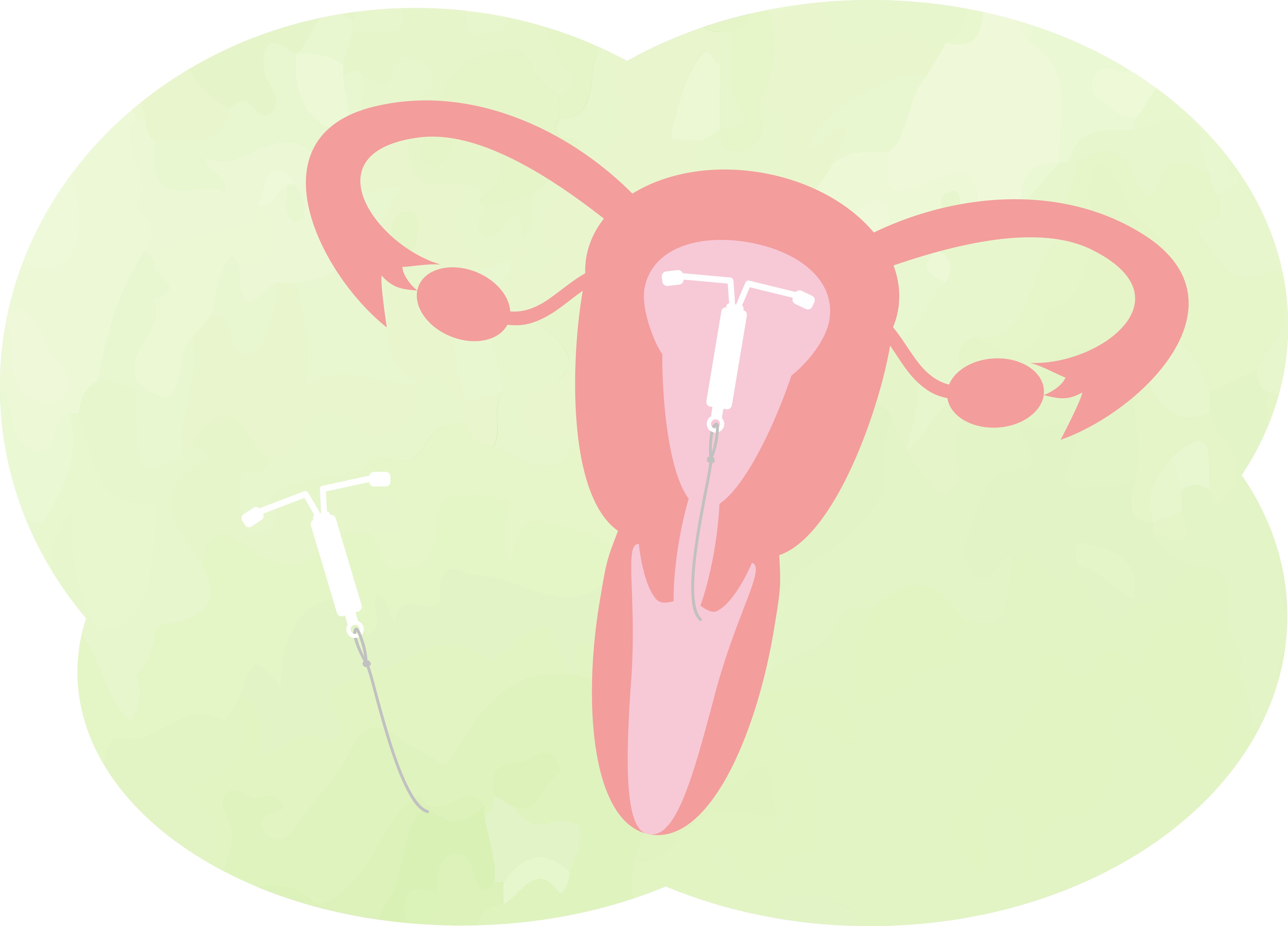
IUDs are inserted through the vaginal canal and placed in the uterus, as shown in the graphic below. For those with reproductive health disorders, IUD insertion can cause intense vaginal and uterine cramping; the experience can be traumatic, with the pain being so severe that it keeps many prospective patients who would benefit from having an IUD from getting the procedure. As someone with endometriosis who avoided getting an IUD placed for years until I no longer had a choice, I am intimately familiar with this reality.
In 2023, after eleven years of unbearable pain during each period, I was finally diagnosed with endometriosis. Periods can be debilitating for endometriosis patients, and I was told I had to get this IUD to reduce my symptoms. I panicked, knowing from my peers how excruciating the pain could be, and I delayed my own care because I was afraid.
Thankfully, I found Dr. Payal Srinivasa, an obstetrician and gynecologist at my doctor’s office in Boston, Massachusetts. When I saw Dr. Srinivasa, my Nexplanon arm implant was beginning to lose its effectiveness, and I would soon need an IUD. My symptoms would be completely uncontrolled, which would upend my life. Dr. Srinivasa and I had a conversation about the struggle between the device I needed and the fear of the painful process of getting it, and she said something shocking: that I could have my IUD administered under anesthesia to avoid the intense pain that would come with implantation. Here, I was presented with such a simple solution to systemic invalidation of people presumed to be women’s pain in health care, especially as a Black woman.
Women’s pain is invalidated on interpersonal and systemic levels. The term “whiny woman syndrome” is ascribed by some physicians to patients, particularly those who present with atypical presentations or chronic illnesses, in an effort to dismiss them. Women’s pain goes unbelieved by physicians of all genders, pointing to not just an issue of male bias but of critical fault lines in healthcare. So when doctor Srinivasa suggested going under, which would reduce traumatic pain to a bit of soreness post-procedure, all while allowing me to get the healthcare I needed, it felt too good to be true. I will always be grateful to her for being my advocate. Recently, I sat down with her and asked why she offers IUD insertion under anesthesia to her patients.
“Pain has a subjective and objective component, and engaging in a shared decision-making process is helpful to make sure patients feel comfortable about their care. This often includes a risk-benefit conversation around anesthesia for IUDs. It is about not retraumatizing patients if we do not need to; this is a part of trauma-informed care,” shared Dr. Srinivasa. Trauma-informed care, as defined by Dr. Avi with the American Medical Association, is “an approach to health care delivery that is respectful of the impact of trauma.”
A patient I interviewed named Chy experienced the traumatic effects of IUD insertion twice. Chy is a nonbinary person with PCOS and uses they/them as well as she/her pronouns. In college, Chy learned that the Mirena IUD could help reduce symptoms. For Chy, the pain during their first insertion was so intense that they passed out twice, once in the hospital bed and then again as they were checking out. Seven years later, when it was time to replace their Minera, she informed her doctor of the fainting and the intense pain that followed the insertion, and she was assured that the doctor would use cervical numbing to lessen the pain. The idea of sedation was never broached, and Chy anxiously awaited insertion day.
The procedure began, and immediately, Chy could tell the numbing agent was not working. They shouted in agony as the procedure went on, being offered only cold compresses and heating packs. Leaving the doctor’s office, her then fiancé was horrified by hearing their screams all the way in the waiting room. As soon as they got to the car, Chy went unconscious. After returning to consciousness, she felt loopy for the next few days and suffered a severe multi-day migraine triggered by the intense pain. Chy was needlessly retraumatized by this experience and should have been offered the only truly effective method for reducing IUD pain in people with gynecological conditions–an insertion under anesthesia.
We have the power to normalize IUD insertion under anesthesia by telling our stories, and healthcare providers need to be educated that not only is this an option, but it is often the correct option for their patients with and without gynecological conditions. We can turn the tide and de-normalize severe pain as standard and begin changing the systemic barriers for pain management for women, one patient and one IUD at a time.

Lily O (she/they) is a Black disabled woman whose gender is political and nonbinary. Lily is based in Boston, Massachusetts, and has been writing as …
More By This AuthorRelated Resources