Party for Democracy
What It Is
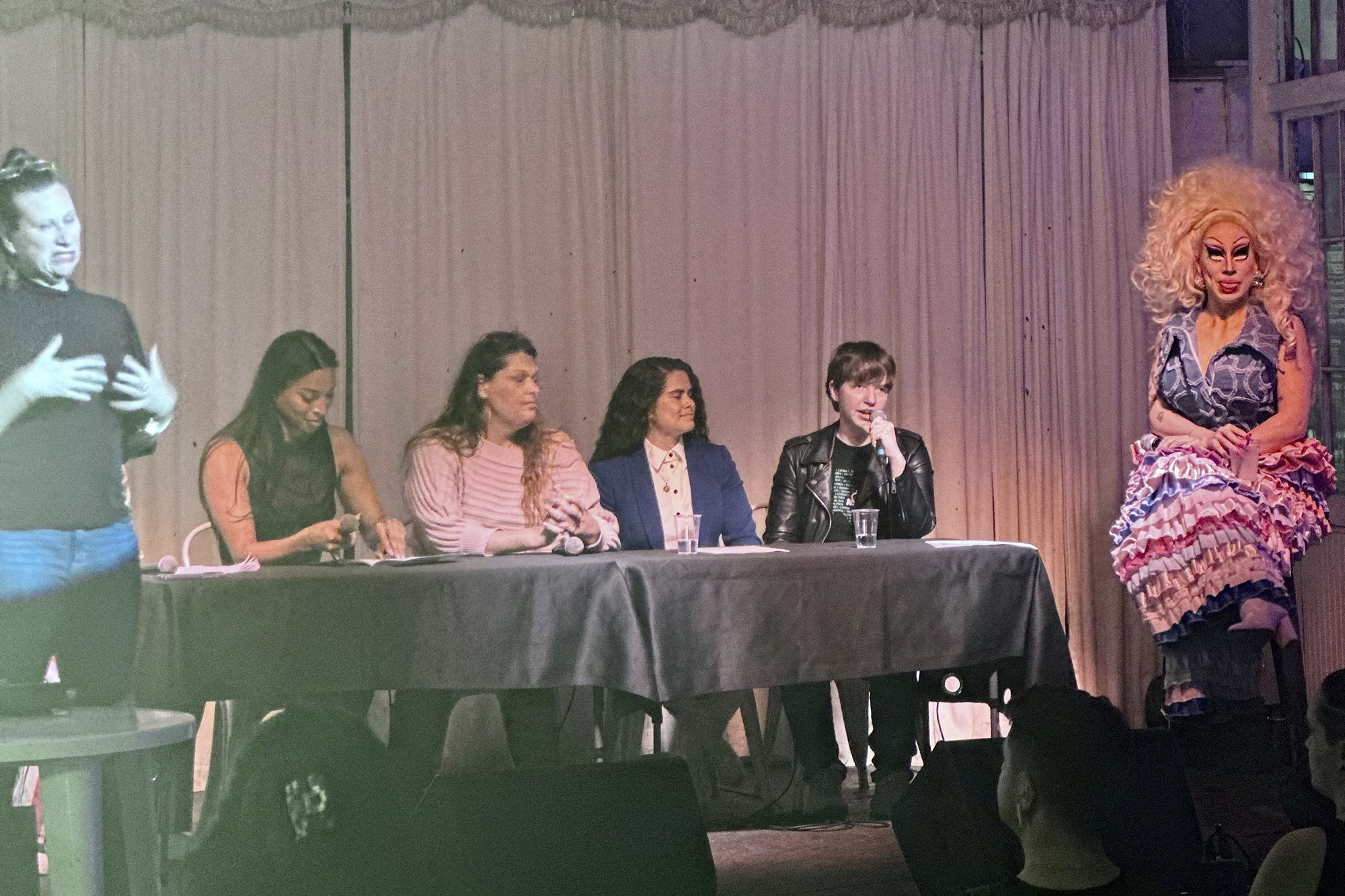
Party for Democracy events combine entertainment and education, by including some form of entertainment such as a drag show, band, comedy show, etc. with information about voting. Some examples of an educational component are a voter education panel, a zine making table, or speakers that can educate attendees on what they need to know ahead of the election. Party for Democracy events are larger in scale, so only do this if you have a solid group you can organize with.
Why It Works
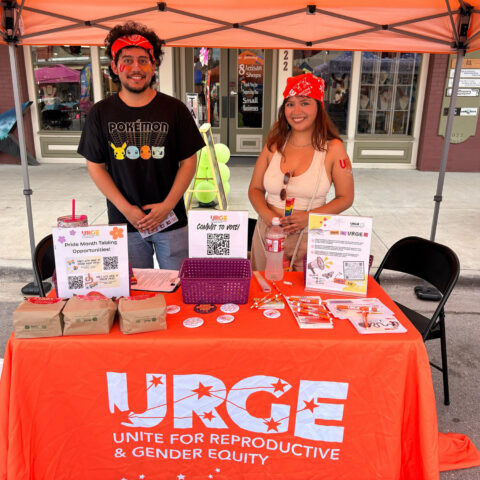
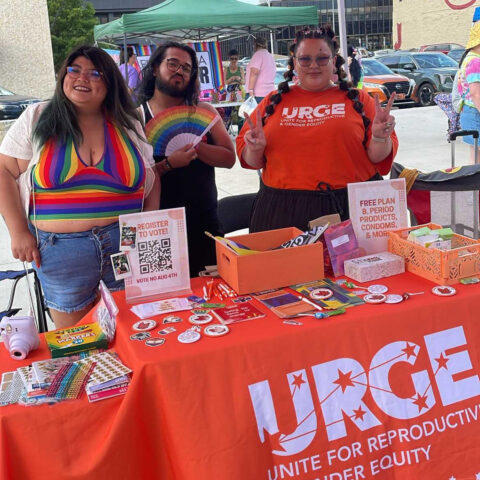
Events are a fun way to help folks get ready to vote! Below is an example of a larger scale event. Check out our tips below for fresh inspiration and practical strategies for engaging and effective voter education.
Be sure to integrate a commit to vote ask in your event, either as part of the entry process or as a call to action during the event.
How to Do It
This kind of event is great to host during URGE Get Out the Vote Days of Action. Get Out the Vote Days of Action are community events and activations closer to the general election that gets folks informed and ready to vote.
- Chapter Week of Action: October 26th – Nov 1st (Election Day Nov 3rd!)
- Community Action Network (CAN) Weekend of Action:
- Ohio: October 2nd – 4th (right before early voting)
- Texas: October 16th – 18th (right before early voting)
Event Best Practices
- Legal reminder: Due to URGE’s nonprofit status, this event cannot indicate any support for or opposition to any candidate. To make sure speakers and partners are aware of this, we recommend before the event, providing each speaker with written direction on how to stay nonpartisan (e.g., don’t mention any candidates, parties, or issues that divide the candidates). Once you’re on site, provide a verbal reminder to the speakers as the event is getting underway. One of the opening speakers can explain to the crowd that this event is all about encouraging people to vote and getting involved, no matter who they support. They can also share that this event isn’t about supporting any particular candidates or parties.
- Capacity and Timeline: When planning an event, make sure you have enough time to plan it and enough people to accomplish your goal. Ask yourself:
- How many people will be involved in planning the event? What roles will these people play?
- How long do you have to plan the event? For larger events like this one, ideally plan 2-3 months in advance of the event.
- Audience: When creating an event, you want to make sure it is of interest and meets the needs of your target audience. You know your community best, so make sure they are represented and accounted for. Ask yourself:
- What is the general community and/or demographic you are trying to reach?
- Is this event geared towards the community and demographics you are trying to reach?
- Engagement and Experience: You are creating an event to engage and build community. So, when planning the event, you want to think about how you will keep your audience engaged AND how you will encourage them to socialize and build community.
- What activity can you add that will encourage folks to talk to each other? (i.e. group icebreakers, conversation bingo, social hour, etc.)
- Accessibility: Your goal is to design an event where everyone can feel welcome, be in community, and get the resources they need to be an informed voter. This goal cannot be achieved if it is not accessible! Here are just some things to think about:
- Is the event accessible to people with limited mobility?
- Are there places to sit or is it standing only?
- Will there be flashing lights?
- Is there a closed caption if there are videos?
- Are you able to have translators onsite?
- Can you make a quiet area somewhere at the event?
- Outreach: You should start doing outreach at least one month before your event and then do another round of outreach two weeks and the week of your event. Some ways to do outreach are:
- Social media
- Message group chats
- Flyers around town or on campus
- Reach out to partner organizations
- Personal invitations to your network
- Data: This is a crucial step in event planning as it allows us to measure our impact and build a volunteer and member database. When creating events with URGE two data tools are required:
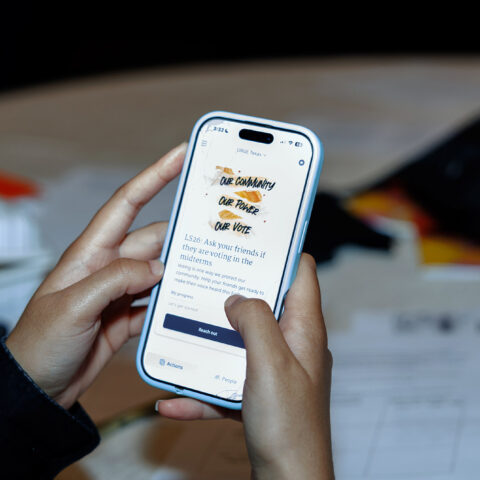
- Mobilize: used to create event signups and collect member information for follow up
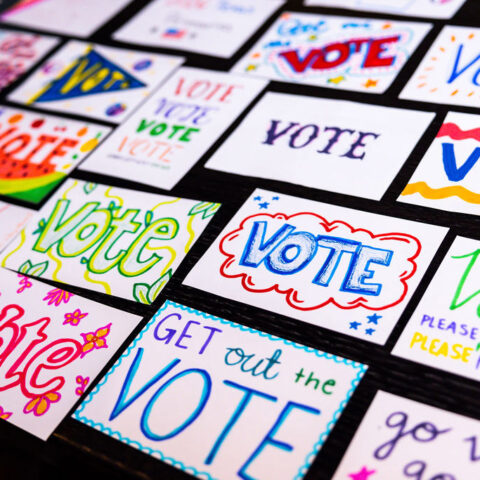
- Commit to Vote Cards: Have every or most of the attendees sign a Commit to Vote card in person or virtually. This should be worked into every URGE event this year.
Reach out to your URGE staff contact for access to these resources.
Deescalation at Events
Due to the current political climate, it is becoming increasingly common to have to deescalate hostile situations events. This toolkit is only going to scratch the surface on how to handle deescalation situations. Keep an eye out for more resources related to this topic.
- Be proactive: The best way to try to avoid an escalated situation is to be proactive when planning events. It is always important to have the safety of your guests AND your team in mind when planning. Some things to consider are:
- If your events have a history of antis showing up, don’t share the location publicly. Instead, you could require an RSVP before attendees receive the location. By doing this, you can vet your signups ahead of time to make sure that your event details don’t reach the wrong audience.
- If your event is going to be large and is on a college campus, consider alerting campus security so they are aware of the event.
- While at your event be aware of your surroundings and make sure that all organizers are surveying the area. When deescalating a situation, it is best to just end the conversation. They want a reaction out of you; do not give them this satisfaction.
- When deescalating a situation:
- Do not threaten.
- Do not shame them.
- Do not tell them what to do.
- An example response to deescalate a situation could be: “We have differing views on this and neither of us is going to change the other person’s mind. Have a good day.” Then try to end eye contact and talk to someone else or show that you are busy with an activity.
- When deescalating a situation:
What We’re Tracking
Data is a crucial step when planning your event with URGE. We want to make sure we can keep track of attendees of URGE events and follow up with them about voting resources. That’s why Commit to Vote cards are such a critical element!